


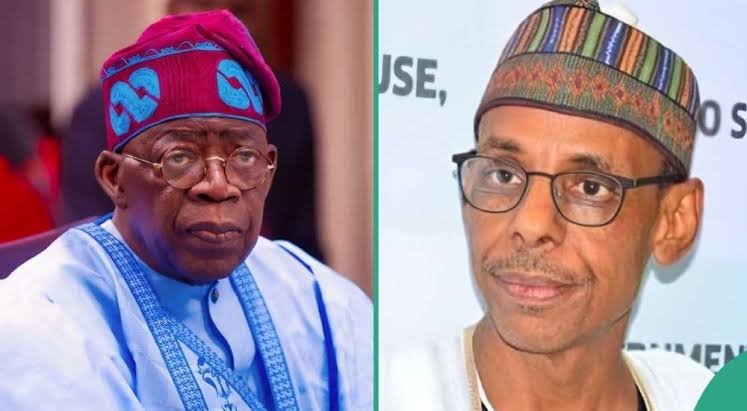
Senator Datti Baba-Ahmed, the vice-presidential candidate of the Labour Party in the 2023 general election, has asserted that President Bola Tinubu will not secure a second term in office in 2027 if the balloting is conducted freely and fairly.
Baba-Ahmed expressed this position during a live interview broadcast on Channels Television, arguing that prevailing socioeconomic hardships across Nigeria have eroded the administration’s public support. According to Baba-Ahmed, a credible electoral process administered by the Independent National Electoral Commission (INEC) would reflect widespread citizen dissatisfaction at the ballot box.
The declaration adds to growing political positioning among major opposition figures and the governing All Progressives Congress (APC) well ahead of the scheduled 2027 general elections. Main opposition contenders, including former Vice President Atiku Abubakar and former Anambra State Governor Peter Obi, continue to challenge the performance and policy directions of the federal government.
Opposition Projections and Electoral Scrutiny
In his television remarks, Baba-Ahmed maintained that the primary determinant of the 2027 presidential outcome will be the institutional integrity of the electoral umpire. He stated that under transparent voting conditions and uncompromised transmission of results, the ruling party would face decisive defeat across multiple geopolitical zones.
Representatives and defenders of the Tinubu administration have repeatedly rejected such claims, expressing confidence in the president’s mandate and policy agenda. Spokespersons for the presidency and the APC maintain that major structural interventions—notably the removal of petrol subsidies and the unification of foreign exchange windows—represent critical reforms necessary to revive national productivity, stabilise fiscal balances, and lay a foundation for long-term economic stability.
The debate comes amid persistent scrutiny of Nigeria’s electoral framework. Following controversies and legal challenges surrounding the 2023 presidential election, civil society organisations, political parties, and international observers have pressed the National Assembly and INEC to enact further electoral reforms. Key areas of public interest include the mandatory real-time electronic transmission of polling unit results and administrative transparency in the declaration of winners.
With electoral preparations and inter-party realignments steadily gathering pace across Nigeria, party chieftains are expected to intensify coalition discussions, grassroots mobilisations, and public assessments of governance records before official campaign timetables open.
Business Elites Africa