


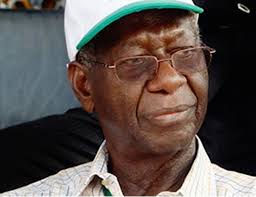
The political ghost of the late “Mr. Fix It,” Tony Anenih, has risen—and this time, it has walked away from the old establishment. In what can only be described as a political earthquake in Edo Central, the once-formidable structure built over decades under Anenih has now collapsed into the African Democratic Congress (ADC), signaling a dramatic shift in the balance of power ahead of future elections.
The historic moment unfolded in Ewohimi, Esan South East LGA of Edo State, at the expansive residence of Ken Imasuangbon—a venue that proved too small for the political energy unleashed.
A crowd of over 5,000 supporters overflowed the arena, sending a loud and unmistakable message: the ground is moving.
Present to receive this political migration were heavyweights, including former governor and senator, Oserheimen Osunbor; Edo ADC Chairman, Ken Odion, and ADC Woman Leader, Herberta Okonofua.
But beyond the ceremony, it was the language of defiance that defined the day. Imasuangbon, popularly known as the “Rice Man,” did not mince words.
In a direct and explosive warning to Governor Monday Okpebholo, he condemned the alleged use of thugs to intimidate opposition voices. His message was clear and unapologetic: democracy is not a private estate, and no administration owns the streets. Nigerians, he insisted, have the inalienable right to gather, speak, and resist oppression.
Prof. Osunbor took the battle further into the realm of symbolism and strategy. Drawing from the biblical David and Goliath, he painted the ADC as the underestimated force poised to bring down the ruling All Progressives Congress (APC). His message was not subtle— it was a declaration of political war: that power, no matter how entrenched, can fall.
And then came the ideological strike. Okonofua, speaking as a former stalwart of the Peoples Democratic Party (PDP), delivered a stinging rebuke of the current political trajectory in Nigeria.
She warned against what she described as a creeping agenda to turn the nation into a one-party state—a dangerous path she vowed never to support.
The climax, however, belonged again to Imasuangbon, whose closing remarks underscored the rising tension in Edo politics.
He made it unmistakably clear: any attempt to silence or attack him would be met with resistance. Not aggression—but defense. Not retreat—but resolve. What happened in Ewohimi is more than a defection. It is a signal flare in Nigeria’s shifting political landscape.
The old alliances are cracking. The so-called untouchables are being challenged. And in Edo Central, one message now echoes louder than ever: 2027 will not be business as usual.
Independent