


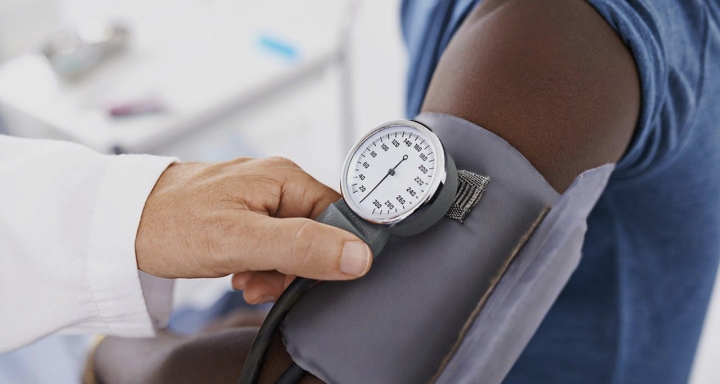
Across Nigeria, millions of people living with hypertension are grappling with soaring treatment costs, poor healthcare access, and worsening economic pressures.
Management of the “silent killer” has become a daily struggle for survival.
From civil servants and traders to security personnel and pregnant women, many patients now find it difficult to afford routine medical checkups, purchase prescribed medication, or maintain healthy lifestyles needed to manage the condition effectively.
With inflation driving up the prices of drugs and healthcare services, coupled with stress-related lifestyle pressures and weak health financing systems, experts warn that uncontrolled hypertension is becoming a growing public health concern nationwide.
The situation is further compounded by poor awareness, late diagnosis, and heavy reliance on unregulated herbal remedies, especially among low-income earners seeking cheaper alternatives to conventional treatment.
This exposition comes as the world marks World Hypertension Day annually on May 17, amid growing concerns over the rising burden of non-communicable diseases in Nigeria and other developing countries.
According to the World Health Organisation (WHO), hypertension affects more than 1.28 billion adults globally, while health experts estimate that over 40 per cent of Nigerian adults are hypertensive, many of whom remain undiagnosed or poorly managed.
Mr Benjamin Iwu, a 41-year-old teacher, says living with hypertension, diagnosed six years ago, has become more difficult as medication prices continue to rise while occupational stress frequently worsens his blood pressure.
According to him, teaching-related stress often elevates his condition, whereas financial constraints make it difficult to maintain regular medication, although occasional rest temporarily stabilises symptoms during demanding work periods.
Similarly, Mrs Stella Machukwu, an accountant, said her hypertension remains unpredictable and is often triggered by stress, adding that she mostly relies on rest during episodes instead of maintaining regular medication use.
For fashion designer Mrs Belynda Emerulam, the pressures of a demanding workload contribute to fluctuating blood pressure levels.
However, she noted that a combination of medication, adequate rest, and medical guidance has significantly improved her condition.
She, therefore, urged Nigerians to stop denying hypertension, emphasising the importance of routine medical checkups, strict adherence to prescribed medication, and healthier lifestyles to reduce long-term cardiovascular complications.
Meanwhile, health experts warn that reliance on unregulated herbal treatments and informal drug sources remains widespread and dangerous, often worsening complications and delaying access to effective medical care.
At Ikotun Market, some herbal sellers claimed traditional remedies could cure hypertension completely, insisting that patients achieve better results when herbal mixtures are personally prepared according to individual needs and beliefs.
Iya Aro and Iya Mustapha, for instance, said treatment costs vary depending on illness severity, with some remedies starting from N10,000, reflecting affordability challenges confronting many patients seeking alternative healthcare options.
However, medical professionals strongly caution against unlicensed treatments, warning that such practices may worsen hypertension and increase risks of stroke, kidney failure, heart disease, and sudden death.
A pharmacist, Mrs Elizabeth Okpala, advised patients to obtain medicines only from registered pharmacies and licensed healthcare facilities to ensure safety, quality control, and effective blood pressure management.
She explained that antihypertensive drugs belong to different therapeutic classes and may produce side effects such as dizziness and erectile dysfunction, depending on dosage, duration of use, and patient condition.
According to her, dizziness is a common but usually mild reaction among patients, often improving with continued medical supervision, proper dosage adjustments, and adherence to treatment plans.
She added that erectile dysfunction is also reported among some male patients on long-term antihypertensive therapy, especially depending on the specific drug class prescribed.
Furthermore, Okpala stressed the importance of pharmacist-led education, patient counselling, and public health campaigns to improve awareness, promote self-management, and strengthen adherence to hypertension treatment nationwide.
She also noted that continuous professional training enables pharmacists to stay updated on evolving hypertension therapies, thereby improving patient care, treatment safety, and healthcare outcomes.
Health professionals, however, said that while about 80 to 90 per cent of hypertension cases cannot be permanently cured, they can be effectively controlled through medication, healthy lifestyles, and regular medical supervision.
Against this backdrop, patient advocates in Abuja are calling for increased government funding for hypertension and other non-communicable diseases, describing the condition as a “silent killer’’ affecting millions of Nigerians.
The advocates made the appeal during a visit to the House Committee on Health Care Services, urging stronger policy frameworks and improved investment in chronic disease prevention and treatment systems.
Mr Francis Okonkwo, a patient advocate, said Nigeria’s healthcare priorities have historically focused on maternal and child health, leaving chronic diseases like hypertension significantly underfunded in spite of their growing burden.
According to him, greater urgency must now be applied to hypertension response, similar to maternal health interventions, as cases continue to rise among vulnerable populations in both urban and rural communities.
He added that weak health financing systems and inadequate government investment continue to hinder effective long-term management of hypertension, affecting millions who require continuous care and monitoring.
Rep. Amos Magaji also said hypertension and diabetes now account for a large proportion of hospital visits in Nigeria, according to findings from parliamentary oversight within the national health sector.
He pledged legislative support for dedicated budget allocations to strengthen hypertension prevention, treatment, and awareness programmes through predictable and sustainable financing mechanisms.
According to him, efforts are already underway to establish independent budget lines for non-communicable diseases in order to improve accountability, transparency, and implementation efficiency in healthcare financing nationwide.
In the security sector, the Imo Police Command recently received medical drug donations aimed at addressing hypertension and occupational stress among personnel operating under demanding conditions.
Available reports indicate that nearly half of police personnel suffer from hypertension linked to stress, long working hours, and constant exposure to insecurity-related risks during field operations.
As a result, security personnel continue to face intense physical and psychological pressure, underscoring the need for regular medical monitoring and improved access to healthcare services within the force.
Officials said the intervention seeks to support officers who often miss routine medical checkups because of demanding schedules, thereby improving access to essential healthcare services.
Police Commissioner Audu Bosso acknowledged that round-the-clock duty cycles contribute significantly to stress-related illnesses among personnel, affecting operational efficiency and workforce productivity.
He assured that donated drugs would be distributed through police medical facilities to ensure free treatment, timely intervention, and improved healthcare delivery for affected officers.
The donation reportedly included analgesics, anti-inflammatory drugs, and anti-malarials such as Artemether Lumefantrine, Diclofenac Sodium, and Ketoconazole to manage infections, pain, and stress-related conditions.
Meanwhile, Prof. Basden Onwubere, former President of the Nigerian Hypertension Society, has called for regular blood pressure checks and healthier lifestyles to address rising hypertension cases among younger Nigerians.
He observed that the condition, once mainly associated with older adults, is now more diagnosed among people in their 30s because of changing lifestyles and growing exposure to risk factors.
Onwubere, who also chairs the Nigeria Heart Foundation Committee on Clinical Cardiology, attributed the trend to modifiable lifestyle factors affecting cardiovascular health nationwide.
According to him, more than 40 per cent of Nigerian adults are hypertensive, while many remain unaware of their condition, thereby increasing risks of severe complications and sudden cardiovascular deaths.
He warned that uncontrolled hypertension often leads to sudden death, especially among individuals unaware of persistently high blood pressure levels that remain undiagnosed for years.
“Young people are now coming down with hypertension, which is a disturbing trend compared to the past when mostly older adults in their 50s and above were affected.
“We should pay more attention to this because many people within this age group are unaware they have the condition.
“Most people with hypertension do not feel sick. Some may occasionally experience headaches or blurred vision, but the majority show no warning signs until complications occur.
“A study conducted some years ago showed that only about 10 per cent of people knew they had hypertension,” he said.
He described hypertension as a condition in which blood vessel pressure remains persistently high, forcing the heart and arteries to work harder over time.
He explained that the heart continuously pumps oxygen- and nutrient-rich blood through a complex network of vessels that sustain vital organs and body functions.
According to him, uncontrolled high blood pressure damages vital organs such as the heart, brain, kidneys, and eyes, often leading to life-threatening complications when left untreated.
Ahead of the 2026 World Hypertension Day 2026, he noted that hypertension remains a major global health challenge affecting more than one billion people worldwide.
He further explained that the theme, “Controlling Hypertension Together: Check Your Blood Pressure Regularly, Defeat the Silent Killer,” highlights the importance of routine monitoring and early detection.
To this end, Onwubere advocated that every household should own a blood pressure monitor to support early diagnosis, regular checks, and improved community-based health management.
He identified genetics, obesity, excessive salt intake, physical inactivity, stress, and ageing as major contributors to the rising prevalence of hypertension in Nigeria.
He, therefore, urged increased awareness, regular exercise, healthy diets, adequate rest, and strict adherence to treatment as essential strategies for reducing the burden of the disease.
Similarly, an obstetrician, Dr Habiba Ismail, expressed concern over rising cases of hypertension in pregnancy in Bauchi State, noting that the condition continues to affect maternal health outcomes across healthcare facilities.
She explained that hypertension in pregnancy involves persistently high blood pressure requiring close monitoring to prevent severe complications during pregnancy, labour, and childbirth.
According to her, uncontrolled cases can result in eclampsia, organ failure, premature delivery, and other life-threatening complications if not managed through timely antenatal care and medical intervention.
In spite of ongoing interventions, she said cases remain high, indicating persistent gaps in prevention strategies, health education, and community-level maternal healthcare services.
She added that some women now develop hypertension at very young ages, including adolescents, highlighting increasing health risks among pregnant women nationwide.
Consequently, she urged husbands, caregivers, and families to support regular antenatal visits, adherence to medical advice, and consistent monitoring to improve maternal and child health outcomes effectively. (NANFeatures)
Edited by Tosin Kolade